
FRAUD PREVENTION
Fraud Prevention
5 minute read time
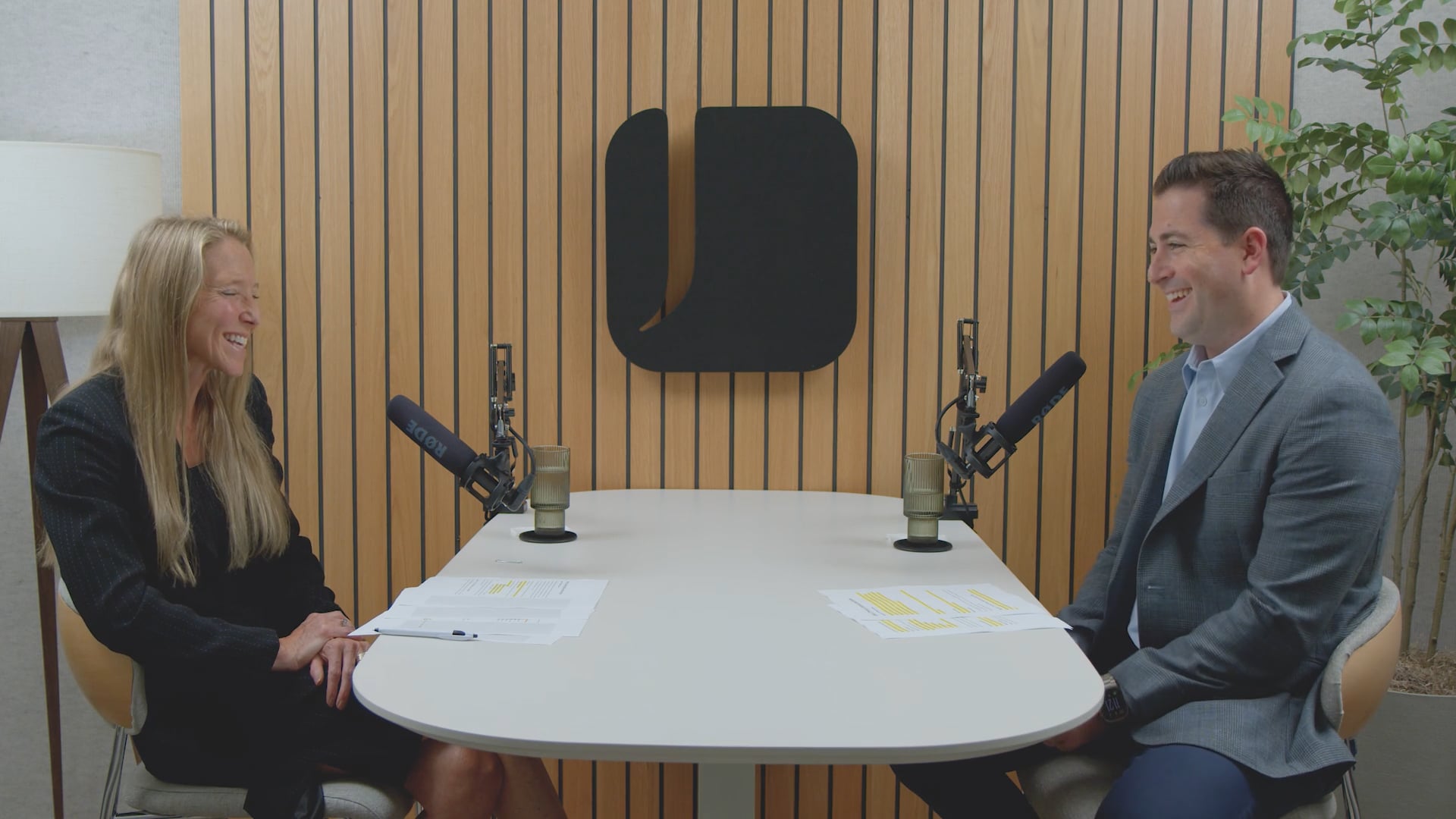
00:00 – 2:12: What Fraud Actually Looks Like in 2026
02:13 – 08:23: How Business Email Compromise Attacks Unfold
08:24 – 14:08: The Rise of Account Takeover Attacks
14:09 – 16:26: Key Takeaways and Red Flags to Watch Out For
Fraud is shifting fast but awareness is your first line of defense. In the first video of our three-part Commercial Fraud in Focus series, SVP Treasury Management Sales Manager, Rob Hogan and VP Treasury Management Consultant, Angela Rust walk through the fraud trends actually hitting commercial businesses in 2026, including email compromise and account takeover schemes. You’ll hear real client stories, learn the red flags and the one simple step you can take today to protect your business.
Watch the full video and share the key takeaways with your team. Then stay tuned for Part 2, where our information security team joins us to share the internal controls that Johnson Financial Group uses on the backend to safeguard against fraud.
The biggest misconception is that fraudsters only target large companies. In reality, 76% of US organizations experienced attempted or actual fraud last year. Mid-sized and small businesses are very much in the crosshairs.
Fraudsters infiltrate an employee's email through a phishing link, then sit and watch for weeks or even months — studying vendor communications, account details and payment patterns. When the moment is right, they redirect payments to fraudulent accounts, often hiding the evidence in hidden subfolders.
Fraudsters impersonate your bank's fraud department, guide you to a convincing fake website and capture your credentials and multi-factor authentication codes in real time. Within seconds, they're creating wire and ACH recipients and moving money out the door often before the phone call even ends.
Voice recognition and AI are now being used to record phone calls and capture trigger phrases like "yes, I approve." It's reached the point where businesses may need secret verification codes, something only the real person would know, to confirm identity over the phone.
The single most effective defense is simple: Slow down. Call known contacts at known numbers, never a number from an email. Banks will never ask for your multi-factor authentication. And leaders must train their teams over and over again, because it's not a matter of if fraud will happen but when.
Business email compromise (BEC), bank account takeover, AI-assisted voice cloning and traditional check fraud are the top bank fraud trends hitting companies in 2026. About 76% of U.S. organizations experienced attempted or actual fraud last year, proving that fraudsters target mid-sized and local companies just as aggressively as large corporations. Today’s threats rarely look like flashy cyberattacks. Instead, they show up as routine requests to update vendor payment instructions, altered checks stolen from the mail or urgent phone calls from someone pretending to be your bank.
Business email compromise happens when a fraudster gains access to a company email account and tricks employees into sending wire or ACH payments to a fraudulent bank account. According to the Federal Bureau of Investigation (FBI), business email compromise and account takeovers cause $3 billion in losses — a figure that grows by roughly $400 million every year.
Two immediate red flags should make your team stop and question a financial request:
Slowing down and verbally verifying payment requests through a trusted contact is the single most effective way to prevent commercial bank fraud. Even when extra verification steps feel like they slow down daily efficiency, putting simple internal controls in place protects your company from losses that are almost impossible to recover once funds leave your account:
FRAUD PREVENTION

FRAUD PREVENTION

FRAUD PREVENTION